Between 40%-60% of individuals getting treated for addiction, including AUD (Alcohol Use Disorder), relapse at a certain point. Risk is deemed the highest in the initial months post quitting. Getting suitable treatment lowers it: in 1 16-year study, 43% of individuals who quit drinking with proper help relapsed, compared with 60% of individuals who quit alone. Medications like Vivitrol can cut severe drinking further.
Alcohol Relapse Rates: The Main Numbers
| Finding | Figure | Source |
| Individuals in addiction treatment who relapse | 40 to 60% | NIDA |
| Relapse post quitting drinking with the required help (16-year follow-up) | 43% | Moos & Moos, 2006 |
| Relapse post quitting drinking without any help | 60% | Moos & Moos, 2006 |
| Drop in intense drinking days with Vivitrol vs. placebo | 25% | Garbutt et al.. JAMA 2005 |
NIDA states that a 40% to 60% rate of relapse resembles other chronic illnesses like high blood pressure as well as asthma. Relapse does not mean the treatment failed. It means that the treatment requires adjusting.
For drug relapse numbers and statistics, check out how many addicts relapse after rehab.
When Alcohol Relapse Is The Most Likely, and Why

The risk of relapse is the highest in the first 3 months or 90 days and remains elevated through the 1st year. Cravings, problems related to sleep, and mood swings are the strongest early on, while the new habits are still in formation.
Some of the most common triggers include the following:
- Stress caused due to work, money, or relationships
- Social pressure at gatherings, holidays, or with old drinking acquaintances or friends.
- Untreated anxiety/depression.
- Overconfidence: “I can manage handling a single drink”
- Stopping support too early, like counseling/medication.
Relapse generally begins prior to the first drink. Skipping support, isolation, as well as romanticizing the act of past drinking are the early warning indications. Our detailed guide on how to overcome alcohol cravings encompasses numerous practical methods to manage them.
How Vivitrol Minimizes Alcohol Relapse’ Risk
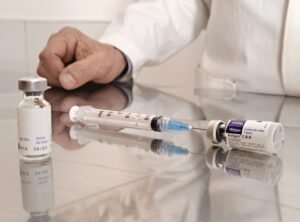
Vivitrol is a monthly (once a month) naltrexone injection. It blocks the “rewards” that alcohol provides to the brain, and thus, drinking feels much less satisfying and the cravings ease.
In a 6-month trial of 624 adults, the complete Vivitrol dose cut intense drinking days by a quarter (25%) as compared to placebo (JAMA, 2005).
Why it aids with relapse in particular:
- A single shot covers an entire month. There is no everyday pill to forget on a tough day.
- It is not addictive. It is not an opioid and does not lead to a high.
- It works besides counseling, which tackles all the triggers that medication cannot.
To begin, you are required to have stopped drinking, and be completely free of every opioid for 7 to 14 days. Learn all about it in our comprehensive Vivitrol for alcohol addiction guide.
Already had a slip-up? You are not required to wait for a complete relapse to request help. A dedicated Alliance MD provider can educate you in a single visit whether Vivitrol is the correct choice for you. Call us (Merrillville) at (219) 249-0000.
Other options that are FDA-approved include everyday naltrexone tablets, disulfiram, as well as acamprosate. Your provider will aid you select.
4 Other Ways to Minimize Your Risk

- Remain in Counseling for at Least the 1st Year: Ongoing support is deemed one of the most robust safeguards against relapse. Check out how addiction counseling works.
- Treat Anxiety & Depression: Untreated mental health issues are a very common relapse trigger.
- Plan for High-Threat Moments: Decide prior how you will manage parties, holidays, as well as any stressful events or days.
- Lean on Close Ones: A sponsor, a support group, or a trusted individual you can ring up when the cravings hit.
Relapse is a Statistic, Not Your Entire Future
The figures mentioned in the article are averages. Individuals who get medication along with counseling do better compared to those who do it alone. Choose the step that perfectly fits the condition where you currently are:
- Still drinking or slipped recently? Officially book an alcohol treatment visit at Alliance MD’s drug & alcohol treatment center. It is outpatient, and thus, there is no time off work.
- Sober but still struggling with intense cravings? Ask us whether a month-wise injection of Vivitrol could take off the pressure.
- Worried about a loved one? Read our detailed 7 steps to helping an alcohol loved one, and then call us together.
Alliance MD sees patents in Merrillville, Munster, and Michigan City. We accept Indiana Medicaid, HIP, as well as most other insurance. Send us a text and one of our seasoned specialists will get in touch with you.
Frequently Asked Questions (FAQs)
Q. What is the percentage of alcoholics relapsing?
A. Around 40% to 60% of individuals who are treated for addiction relapse at a specific point. Rates are much lower amongst individuals who remain in treatment.
Q. When is alcohol relapse the most likely?
A. In the first 3 months or 90 days post quitting. The threat remains higher throughout the 1st year.
Q. Can you take Vivitrol post a relapse?
A. Yes, once you have stopped drinking again. Your provider will check whether it is safe to start.